How Basement Waterproofing Supports a Healthier Home Environment
@charliekdlm907
October 20, 2026 · 13 min read
A basement does not need to be finished, furnished, or used as daily living space to affect the health of the rest of the house. It only needs to be damp.
That is the part many homeowners underestimate. Moisture in a basement rarely stays politely contained below grade. It migrates. It rises through the structure, lingers in framing, feeds mold growth on hidden surfaces, and pushes the house into a stale, clammy cycle that people often mistake for ordinary seasonal discomfort. A musty odor upstairs, condensation on windows, persistent allergy symptoms, warped flooring near exterior walls, and a dehumidifier that never seems to shut off often trace back to what is happening below.
Basement Waterproofing is often framed as a way to protect storage boxes, preserve finished spaces, or prevent visible water damage. Those are real benefits, but they are not the whole story. Done properly, it also supports indoor air quality, discourages biological growth, reduces pest pressure, and helps stabilize humidity throughout the home. In practical terms, it can make a house smell cleaner, feel more comfortable, and function more predictably.
The link between water management and health is direct enough that experienced contractors, home inspectors, and remediation specialists usually look at the basement early when a home has recurring moisture complaints. The space may not be glamorous, but it often tells the truth.
Moisture below grade does more than leave puddles
People often imagine basement water problems dramatically, such as standing water after a storm or a failed sump pump flooding the floor. That does happen, but many unhealthy basements never experience a major flood. They simply stay too damp for too long.
Concrete is porous. Mortar joints are vulnerable. Foundation walls and slab edges are constantly exposed to pressure from surrounding soil, especially after heavy rain or snowmelt. Water vapor moves through materials that look solid to the eye. Add one hairline crack, one improperly sloped downspout, or one clogged footing drain, and the basement becomes a moisture reservoir.
That moisture can show up in subtle ways. Cardboard softens. The edges of area rugs feel cool. Painted masonry blisters. A metal shelving unit begins to rust at the feet. Stored holiday decorations take on a sour smell. None of these signs look like a health issue at first glance. Over time, they create the conditions for one.
A useful rule on job sites is this: if a basement smells earthy, something is feeding that odor. Most often it is elevated humidity, organic dust, and microbial growth somewhere out of sight, behind drywall, under stair treads, inside fiberglass insulation, or in the rim joist area where warm indoor air meets cooler surfaces.
The air in your basement does not stay in your basement
Homes act like systems, not stacks of isolated rooms. Air moves constantly through gaps around plumbing penetrations, framing cavities, return ducts, stairwells, and recessed lights. The stack effect, especially during colder months, causes air in the lower levels to be drawn upward through the house as warmer indoor air rises and exits at the upper levels.
That means a damp basement can influence air quality on the main floor and even in bedrooms. If mold spores, musty odors, or elevated humidity are present downstairs, they do not remain politely at the foundation line. They circulate.
Homeowners sometimes notice this after finishing a basement without solving the underlying water source. The space may look beautiful for six months. Then the new carpet smells off. A closet in the adjacent first floor room develops a mildew odor. Family members start sleeping with windows cracked because the house feels stuffy. The issue is blamed on the renovation materials when the real culprit is unmanaged moisture still moving through the envelope.
This is one reason Basement Waterproofing should not be reduced to a cosmetic upgrade. It is a building health measure.
Mold is only part of the concern
Mold tends to dominate the conversation because it is visible, unpleasant, and easy to understand. But the basement moisture story is broader than mold alone.
High humidity encourages dust mites, which can aggravate asthma and allergies. Damp wood can support decay fungi long before structural damage becomes obvious. Condensation near ducts and pipes can stain ceiling cavities and create persistent odor problems. Moisture also attracts pests. Insects and rodents are drawn to environments where water is easy to find, and a chronically wet basement can provide exactly that.
There is also a comfort factor that matters more than many people realize. Humid homes often feel warmer in summer and colder in winter because moist air affects perceived temperature and makes HVAC systems work harder to maintain comfort. Families compensate by changing thermostat settings, running portable dehumidifiers, or opening windows at the wrong times, which can pull even more moisture into the structure.
One homeowner I spoke with after a remediation project described the change simply: “The house stopped feeling tired.” That is not technical language, but it captures the lived experience well. After exterior drainage corrections and interior water control were put in place, the lingering smell disappeared, the dehumidifier ran less often, and the first floor felt less sticky during July. Those improvements matter because health is not just the absence of visible mold. It is also the presence of a stable, breathable indoor environment.
Why damp basements are common, even in otherwise well-built homes
A wet basement is not always a sign of poor construction. Sometimes it reflects age, changing site conditions, or maintenance that never happened. Gutters overflow. Soil settles around the foundation and begins to slope inward. Tree roots alter drainage patterns. Older waterproofing membranes degrade. Window wells fill with debris. A home that stayed mostly dry for fifteen years can develop problems after one unusually wet season.
Clay-heavy soils make matters worse because they hold water and expand when saturated, increasing https://deantxjq530.huicopper.com/basement-waterproofing-red-flags-found-during-home-inspections pressure against foundation walls. In cold regions, freeze-thaw cycles can widen cracks and shift pathways for water intrusion. In humid climates, basement air can also become wet without obvious leaks simply because warm outdoor air enters and condenses on cooler surfaces.
This is why diagnosis matters. The right fix depends on the actual path water is taking. A basement with isolated seepage at one corner may need a different approach than one with hydrostatic pressure under the slab. A finished basement with high indoor humidity but no visible standing water may need both air sealing and better drainage outside. There is rarely one universal answer, despite what quick sales pitches suggest.
What effective Basement Waterproofing actually addresses
Proper Basement Waterproofing is not a single product. It is a strategy that manages bulk water, water vapor, drainage, and indoor humidity together.
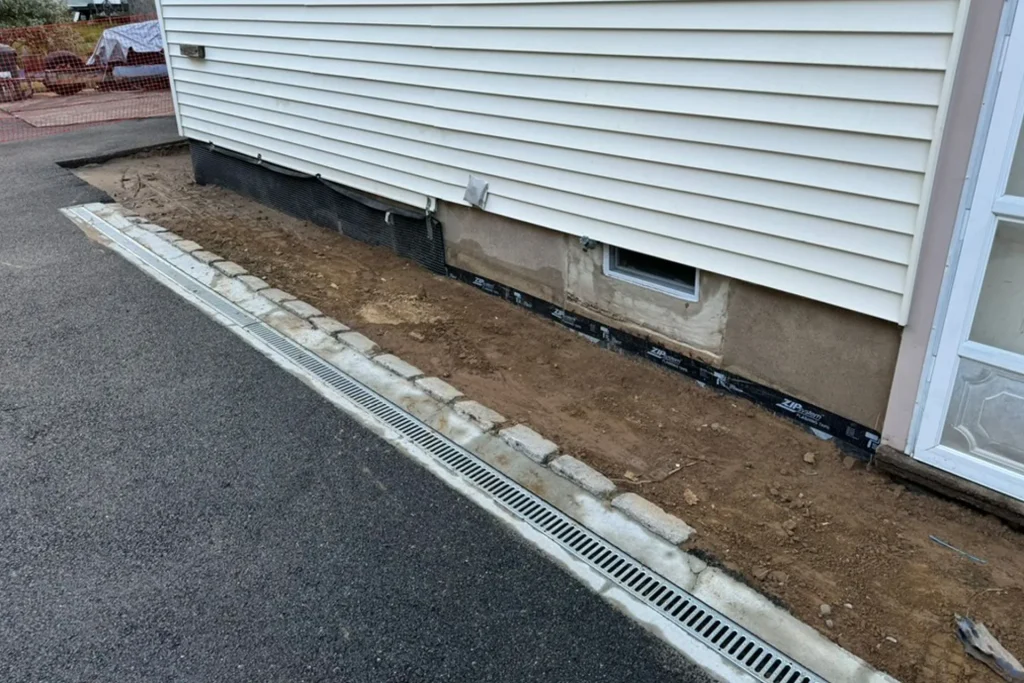
Sometimes the most important work happens outside. Regrading the soil so it slopes away from the house can dramatically reduce water pressure at the walls. Extending downspouts six to ten feet from the foundation often solves more problems than homeowners expect. Repairing cracked walkways that direct runoff toward the home, cleaning gutters, and maintaining window wells can also make a measurable difference.
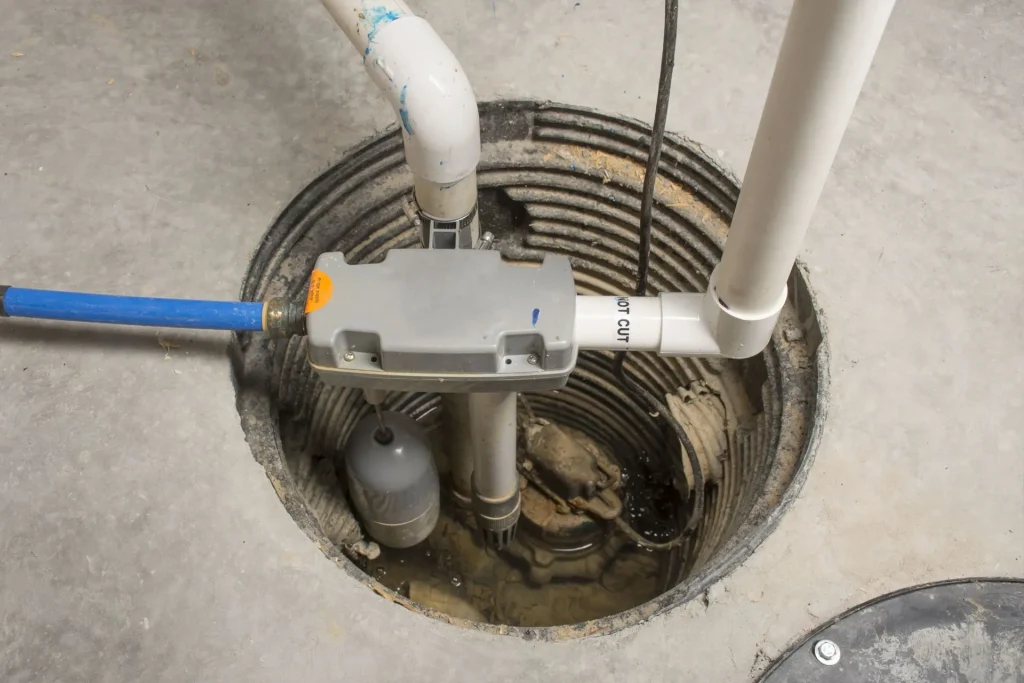
In other cases, interior systems are necessary because exterior excavation is impractical or because subsurface water pressure needs controlled relief. Interior perimeter drains, sump systems, vapor barriers, and wall channels can capture and redirect water before it reaches living materials. On masonry walls, specialized sealants may help with minor vapor transmission, though coatings alone are not a reliable cure for active water intrusion.
The strongest results usually come from matching methods to the building and the site, not from insisting that one system solves every situation.
Health gains are often noticeable before aesthetic gains
When basement moisture is brought under control, homeowners frequently report nonvisual improvements first. The house smells better. Laundry dries more normally. Towels in the lower level stop feeling damp. People wake up less congested. The dehumidifier bucket is no longer full every morning. These changes can happen before any major renovation or refinishing work begins.
That pattern makes sense. Indoor environmental quality improves as humidity stabilizes and microbial activity declines. Mechanical systems also benefit. Furnaces, air handlers, and ductwork located in basements perform better in dry conditions. Less ambient moisture means less corrosion risk, fewer condensate complications, and a cleaner environment for filters and coils. Over several seasons, that can support both comfort and equipment longevity.
A healthier home environment often looks ordinary from the outside. No dramatic reveal is required. The best outcome is sometimes a basement that simply stops announcing itself.
Finished basements carry special risks
An unfinished basement usually gives clearer warning signs. You can see efflorescence on the wall, dampness at the slab edge, or minor seepage after storms. Finished basements hide problems longer.
Drywall, wood studs, laminate flooring, carpet pad, and insulation can all trap moisture. Once water gets behind finished surfaces, conditions become ideal for concealed mold growth. By the time a stain appears or a smell becomes strong enough to notice, the affected area may already be larger than expected.
This is one reason experienced contractors get cautious when they hear, “It only leaked once.” One leak into a finished assembly can be enough to create ongoing problems if materials do not dry fully. Basements below grade do not dry as quickly as upper floors, especially where air circulation is poor.
Homeowners planning to finish a basement should treat waterproofing as groundwork, not an optional add-on. It is much less expensive to solve water issues before flooring, trim, and insulation go in than after they have to come back out.
Humidity control matters, but dehumidifiers are not a substitute for waterproofing
A dehumidifier can be useful, and in some homes it remains part of the long-term solution. But it is not a replacement for proper water control.
Think of it this way. A dehumidifier manages moisture in the air. It does not relieve hydrostatic pressure outside the wall, redirect roof runoff, repair a foundation crack, or correct grading. If liquid water is entering the basement, a machine that pulls pints of water from the air is doing downstream work only.
That distinction matters because many homeowners spend years treating symptoms instead of causes. They empty buckets, run fans, spray cleaning products, and repaint stained areas. The basement stays marginally usable, but the underlying moisture pathway remains. During a very wet season, the problem finally outruns the coping strategy.
There are situations where the air is the main issue, especially in humid regions where summer ventilation can backfire. In those cases, dehumidification is part of smart management. Even then, it works best alongside air sealing, insulation improvements, and careful evaluation of how outside moisture is entering the space.
Signs a basement issue may be affecting the rest of the house
The clues are not always downstairs. Sometimes the main floor tells the story first. Watch for patterns like these:
- A persistent musty smell that gets stronger after rain
- Allergy or asthma symptoms that improve when people spend time away from home
- Condensation on basement pipes, windows, or HVAC components
- Warped baseboards, peeling paint, or staining near lower exterior walls
- A dehumidifier that runs constantly but never seems to catch up
None of these signs proves a basement problem on its own, but together they justify a closer look. If the basement has visible dampness and the house has lingering odor or humidity complaints, the connection is often real.
Choosing the right level of intervention
Not every basement needs a full perimeter drain and sump installation. Not every moisture issue can be solved with gutter extensions. The challenge is calibrating the response.
A good assessment considers the age of the home, foundation type, soil conditions, how often water appears, whether the basement is finished, and what level of dryness the homeowner actually needs. A mechanical room used for storage has different expectations than a guest suite with carpet and drywall. The target for “acceptable” moisture control changes with use.
There is also a budget reality. Exterior excavation can be disruptive and expensive. Interior drainage systems can be more practical in tight urban lots. Crack injection works well in some poured concrete foundations but does little for broader drainage failures. Waterproof coatings can help with minor vapor transmission on masonry walls, but if a wall is actively leaking, coating it is often wishful thinking in a bucket.
This is where experienced judgment matters. The best contractors do not start by selling the biggest package. They start by tracing the water.
Maintenance keeps the healthy baseline intact
Waterproofing is not a one-time event that can be forgotten forever. Even a well-corrected basement depends on routine attention outside the home.
A short maintenance rhythm goes a long way:
- Clean gutters and confirm downspouts discharge well away from the foundation
- Check grading after major landscaping, hardscaping, or soil settlement
- Keep window wells clear and verify drains are not blocked
- Test sump pumps before the wet season, including battery backups if installed
- Watch for new cracks, new odors, or changes after major storms
These are not glamorous chores, but they preserve the investment and protect the indoor environment. A healthy house usually rests on unremarkable habits repeated consistently.
The payoff reaches beyond the basement walls
People often think of Basement Waterproofing as defensive spending, something done to avoid disaster. That is true, but it is also constructive. A dry basement supports a healthier home from the bottom up.
It reduces the chance that mold and mildew will gain a foothold in hidden materials. It lowers humidity that can spread discomfort through the house. It makes odors easier to control and pest issues less likely. It helps HVAC systems operate in a more stable environment. It protects finishes, framing, and storage, while also improving the day-to-day feel of the home.
Most importantly, it addresses one of the most common hidden stressors in residential buildings: chronic moisture that is tolerated for years because it seems familiar. Familiar does not mean harmless. Many houses function in a half-damp state for a long time, quietly taxing comfort and indoor air quality. Once the moisture is properly managed, the difference is often larger than homeowners expect.
A healthier home rarely begins with paint colors or furniture placement. More often, it begins where water is either controlled or ignored. In that sense, the basement is not separate from the rest of the house at all. It sets the tone for everything above it.
ARD Waterproofing
98 Smull Ave, West Caldwell, NJ 07006, United States
+1 917-691-8411
FAQ About Basement Waterproofing
Can you 100% Waterproof a Basement in West Caldwell?
A properly designed system can substantially reduce basement water intrusion, but no method can promise protection against every flood, equipment failure, or future change in site conditions. The first step is identifying whether moisture comes from surface runoff, groundwater, plumbing, or condensation. Solutions may include grading and gutter improvements, drainage, foundation repairs, and a sump system. Review the specific coverage and exclusions of any written warranty.
How much does it cost to professionally waterproof a basement in NJ?
There is no single price that fits every basement. Cost depends on the cause of the leak, the area needing work, access, excavation requirements, drainage design, sump equipment, and restoration of disturbed finishes or landscaping. Request an on-site assessment and an itemized written estimate that explains the scope, exclusions, and maintenance requirements before comparing proposals.
How long does foundation waterproofing last in West Caldwell, NJ?
Service life varies with the waterproofing materials, installation quality, soil and water conditions, and maintenance. Drainage components and pumps may require servicing or replacement even when other parts of the system remain functional. Keep gutters, drainage outlets, and sump equipment maintained, and have recurring leaks or changes in foundation condition assessed. Ask for product-specific expectations and written warranty terms rather than relying on one lifespan for the entire system.