How to Choose the Right Basement Waterproofing Contractor
@charliekdlm907
October 20, 2026 · 16 min read
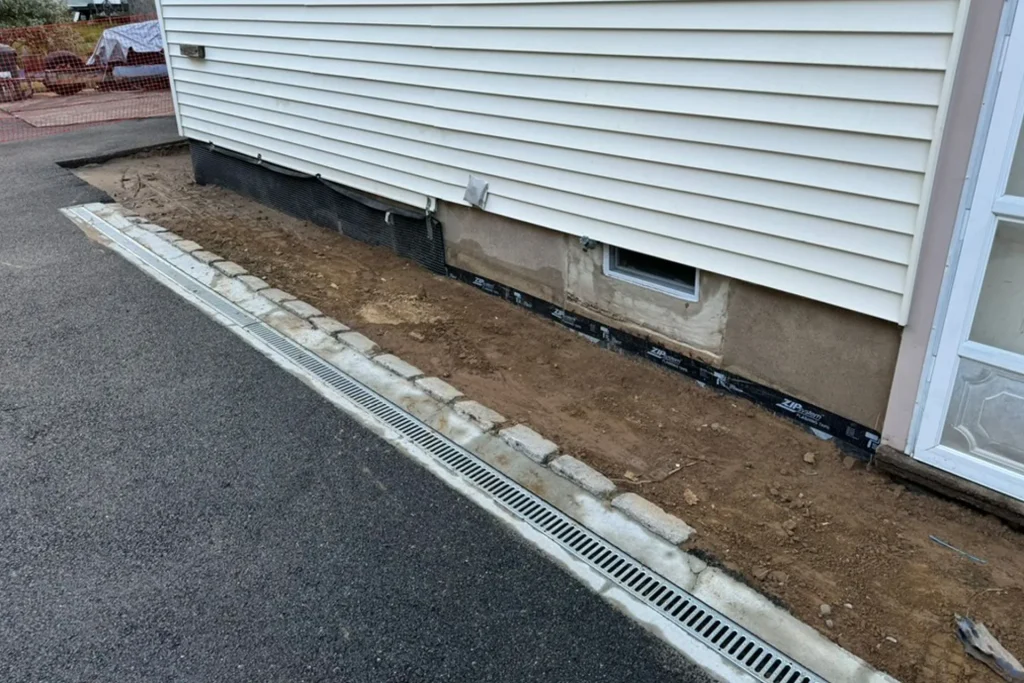

A wet basement rarely stays a simple basement problem. It turns into ruined flooring, peeling paint, musty air, damaged storage, and in some cases mold growth that spreads far beyond the foundation walls. Homeowners often start by searching for a quick fix, then discover that basement water problems are more complicated than they look. That is exactly why choosing the right contractor matters so much.
Basement Waterproofing is not one service. It can mean exterior excavation and membrane installation, interior drainage channels, sump pump systems, crack injection, grading correction, downspout extensions, crawl space encapsulation, dehumidification, or a combination of several measures. A good contractor knows the difference between water management and cosmetic patching. A weak one sells a one-size-fits-all system and hopes it covers the symptoms long enough to avoid callbacks.
The challenge for homeowners is that many waterproofing proposals sound convincing on paper. Most mention drainage, sealing, protection, guarantees, and improved home value. That language can blur the line between real expertise and polished salesmanship. The safest way to hire well is to understand what separates a qualified waterproofing contractor from a company that simply knows how to close a deal.
Start with the actual problem, not the promised solution
Before comparing companies, step back and identify what is happening in the basement. Water on the floor after a heavy rain tells a different story than a white chalky residue on the wall. A steady trickle from a wall crack is different from damp air and condensation forming on cold surfaces. Contractors who are worth your time usually begin by diagnosing the source, not by pushing a specific product.
In practice, most basement moisture problems fall into a few broad categories. Surface water may be collecting near the foundation because the yard slopes the wrong way or the gutters dump too close to the house. Hydrostatic pressure may be building around the foundation and forcing water through joints or porous concrete. There may be structural cracks, old window wells that leak, or a failed footing drain around the perimeter. Sometimes the issue is not bulk water at all, but high indoor humidity causing condensation on walls, pipes, and floors.
A contractor who arrives and immediately says, "You need our full system," before asking when the problem appears, where the water enters, or how the outside drainage is set up, is skipping the most important part of the job. Good waterproofing starts with pattern recognition. When does the basement get wet, after long rains, snowmelt, or every storm? Is the water at one wall, one corner, or the full perimeter? Has the house had additions, patio work, or grading changes? Those details often reveal whether the solution belongs outside, inside, or both.
Experience matters, but relevant experience matters more
A general contractor may be excellent at remodeling kitchens and still be the wrong choice for a wet basement. Basement waterproofing is its own specialty because water behaves in ways that fool even experienced builders. It follows the path of least resistance, travels along footings, appears far from its actual entry point, and often exposes weaknesses that were hidden for years.
When you speak with a contractor, ask how much of their work is specifically basement or foundation waterproofing. A company that spends most of its time on roofing, remodeling, or handyman repairs may not have the diagnostic depth this kind of project requires. You want a firm that sees wet basements every week and has handled homes similar to yours in age, construction type, soil conditions, and drainage layout.
A 1920s stone foundation presents a different challenge than a 1990s poured concrete wall. Clay-heavy soil behaves differently from sandy soil. Finished basements complicate access and cleanup. In neighborhoods with high water tables, contractors need to understand pump capacity, discharge planning, and backup options. Local experience is not just a nice extra. It often determines whether a contractor can anticipate what is hiding behind the wall or under the slab.
One of the best signs of genuine experience is specificity. Ask what causes most failures in their market. A seasoned contractor might mention cove joint seepage in homes with shallow perimeter drains, lateral pressure at tie rod holes in poured walls, or repeated overflow from undersized sump pits during storm surges. Those are the details of someone who has spent years solving real problems, not just selling services.
Licensing, insurance, and permits are not paperwork trivia
Homeowners sometimes treat insurance and licensing as an administrative box to check. In basement waterproofing, they can tell you a lot about how the company operates. At a minimum, the contractor should carry general liability insurance and workers' compensation where required. If excavation or structural repair is involved, coverage matters even more.
Permits are another area where weak contractors tend to get evasive. Some waterproofing work does not require a permit in every jurisdiction, but many projects do, especially if they involve electrical work for sump pumps, exterior excavation near utilities, discharge line modifications, or structural repairs. A reputable contractor should be able to explain what is required locally and who will handle it.
If a company says permits are unnecessary without discussing the scope, or suggests skipping them to save money and time, that should make you cautious. Permit rules are not just bureaucratic hurdles. They often trigger inspections that protect homeowners from unsafe or incomplete work. More than once, I have seen a basement project go sideways because an unlicensed crew installed a sump pump with improper discharge, sending water back toward the foundation or into a line that should never have received it.
The inspection should feel like an investigation
The quality of the inspection tells you a lot before any contract is signed. Strong contractors do not just glance at a damp wall and hand over a brochure. They inspect inside and outside. They look at grading, gutters, downspout discharge points, hardscape slope, window wells, foundation cracks, and signs of previous patching. In the basement, they check where moisture is concentrated, whether there is staining on walls or slab joints, whether efflorescence is present, and how the air feels.
They also ask useful questions. Has the water issue changed over time? Was there ever a backup in the sump pit? Have floor coverings been removed because of dampness? Did a recent patio or driveway replacement alter drainage? Has any waterproofing work already been attempted? Thoughtful questions usually indicate the contractor is assembling a cause-and-effect picture rather than fitting you into a prepackaged solution.
You should also pay attention to what they do not overstate. Not every crack is structural. Not every damp basement needs excavation. Not every leak can be solved with paint-on sealers. The best inspectors distinguish between urgent issues and secondary ones. If they see signs of structural movement, they should say so clearly and explain whether an engineer or foundation repair specialist should be involved. That kind of honesty builds trust.
Be wary of solutions that depend on one product doing everything
Many homeowners are surprised to learn that "waterproofing" often means "water management." Some systems do not stop water from reaching the foundation wall. Instead, they collect and redirect it after it enters or approaches the structure. That does not make them bad systems. In many basements, interior drainage paired with a reliable sump pump is the most practical answer. The problem comes when contractors blur the distinction.
A paint, coating, or wall sealer alone is rarely a full answer to meaningful water intrusion. It may help with minor dampness or serve as part of a broader system, but it does not relieve outside pressure. Likewise, a crack injection can be excellent for a specific wall crack while doing nothing for seepage along the floor joint around the rest of the basement. Exterior waterproofing membranes can be highly effective, but they are invasive and expensive, and they may be unnecessary if the main problem is surface drainage.
A credible contractor explains the trade-offs. Interior systems are usually less disruptive and often cost less than exterior excavation, but they manage water after it reaches the foundation plane. Exterior work addresses water before it enters, but access can be difficult if decks, driveways, porches, or mature landscaping block excavation. Sometimes the smartest plan is staged: improve gutters and grading first, monitor results, then add interior drainage or crack repair if needed.
That measured approach may not be the highest-ticket proposal, but it is often the one grounded in experience.
Compare proposals for scope, not just price
Waterproofing estimates can vary wildly. One company might propose a few thousand dollars for a crack repair and humidity control. Another may recommend a perimeter drainage system and sump pump for several times that amount. A third may suggest full exterior excavation that costs as much as a small remodel. Without understanding the scope, those numbers are meaningless.
Read proposals closely. A good estimate should define the problem area, the planned method, the materials or components being installed, any demolition and cleanup included, and what is specifically excluded. If a sump pump is part of the system, the estimate should identify the pump type, basin details, discharge approach, and whether a battery backup is included. If interior drainage is being cut into the slab, the proposal should describe how much of the perimeter is covered and whether wall vapor channels or drainage boards are part of the design.
It also helps to look for the practical details that affect how the job feels in real life. Will finished walls be removed and rebuilt, or is that on you? How will dust be controlled when the slab is cut? Where will excavated soil go during exterior work? What happens to shrubs, walkways, or irrigation lines in the work zone? Contractors who think these questions are annoyances tend to create rougher job experiences.
One homeowner I spoke with had accepted the lowest bid for an interior waterproofing system. The price looked great until demolition started. The contractor had not included disposal, concrete patch finishing, or reconnecting the dehumidifier drain. The final cost climbed, and the basement remained messy for weeks. The expensive bid had actually been more complete, but the scope had not been compared line by line at the start.
Warranties deserve a careful reading
Waterproofing warranties can sound reassuring, but they are only as useful as their terms and the company standing behind them. A "lifetime warranty" may apply only to one component, only to seepage through a treated section, or only while the original owner lives in the home. Some warranties exclude clogging, pump failure, wall cracks outside the repaired area, or any issue related to power outages and improper maintenance.
Ask the contractor to explain the warranty in plain language. What exactly is covered? What would trigger a service call? Who pays if finished flooring must be removed to access the problem? Is the warranty transferable if the house is sold? Is there annual maintenance required to keep it valid? If a sump pump fails during a storm, what response time should you expect?
Also consider the less glamorous question: how stable is the company? A warranty from a business with a twenty-year local track record means more than a broad promise from a company that opened last spring. Basement Waterproofing systems are long-term solutions. You want a contractor likely to answer the phone years after the installation.
Reviews help, but patterns help more
Online reviews are useful, though they are often less definitive than homeowners hope. A few glowing testimonials can be bought or encouraged. A few angry reviews can reflect unrealistic expectations. What matters is the pattern. Look for comments about punctuality, cleanliness, responsiveness after installation, and whether the company honored its warranty.
Better still, ask for recent references from jobs similar to yours. If your home has a finished basement with wall seepage after heavy storms, references from crawl space encapsulation jobs are less helpful. When you speak with past clients, ask what happened after the first big rain, whether the company returned promptly for any adjustments, and whether communication stayed strong once the deposit was paid.
There is a difference between a contractor who installs systems and one who supports them. Waterproofing jobs sometimes need tweaks. A float switch may need adjustment. A discharge line may freeze in a harsh winter if it was not set up well. A vapor barrier edge may need refinement. How a company handles those follow-ups says more than its brochure ever will.
Watch how they talk about drainage outside the house
Some basement companies focus so heavily on interior systems that they barely discuss what is happening outdoors. That is a mistake. Even when an interior solution is appropriate, exterior drainage still matters. Poor grading, clogged gutters, and short downspouts can overwhelm almost any system.
A balanced contractor does not pretend every wet basement can be solved with gutter extensions. At the same time, they should not dismiss those basics. In many homes, simple exterior corrections sharply reduce the volume of water reaching the foundation. That means less stress on pumps, fewer damp conditions, and better long-term performance from any waterproofing work inside.
Pay attention if the contractor walks the lot carefully. Do they notice settled soil near the foundation? Do they comment on negative grade near the patio? Do they identify downspouts terminating a foot from the wall? These observations show they understand the house as a drainage system, not just a basement room.
Red flags that should slow you down
Some warning signs come up so often that they are worth naming plainly.
- The contractor diagnoses the issue before inspecting the exterior.
- The proposal is vague about materials, scope, or exclusions.
- The salesperson uses pressure tactics such as same-day discounts tied to immediate signing.
- The company cannot clearly explain permit requirements, insurance, or warranty terms.
- The recommended fix sounds identical to the solution they offer every customer.
Any one of these may not be enough to walk away, but several together usually point to a company that prioritizes sales volume over careful problem-solving.
Ask better questions and listen for better answers
Most homeowners ask about price first. It is understandable, but the better first questions reveal competence. Ask what they think is causing the problem and why. Ask what lower-cost steps might be worth trying before major work, if any. Ask what could make the job more complicated once opened up. Ask how they handle service calls during heavy rain periods when many basements fail at once.
Their answers should sound grounded, not theatrical. Experienced contractors are usually direct. They know which problems are predictable and which are uncertain. They are comfortable saying, "Here is what we know, here is what we suspect, and here is how we would confirm it." That measured confidence is more valuable than a dramatic pitch.
Here are five questions that often separate strong contractors from weak ones:
- What evidence tells you where the water is entering?
- Why is your proposed system a better fit here than the alternatives?
- What maintenance will the system need over the next five years?
- What parts of the job are commonly misunderstood by homeowners?
- If this were your house, what would you do first?
The best responses usually include nuance. For example, a good contractor may say they would first extend downspouts and correct grading because those improvements benefit the house regardless, then reassess whether interior drainage is still needed. That answer may generate less revenue for them, but it demonstrates judgment.
Do not underestimate maintenance and power reliability
Many modern basement waterproofing systems depend on moving parts, especially sump pumps. That means maintenance matters. A contractor who installs a pump without discussing cleaning, testing, service intervals, and battery backup is leaving out half the picture.
If your basement water issue is severe enough that a pump is essential, think beyond the installation day. What happens in a power outage during a summer storm? How loud is the pump in a finished basement? How is the discharge protected against freezing in winter? Will the basin lid help with moisture and radon control? These are not secondary details. They affect whether the system performs when you actually need it.
In areas with frequent storms or unreliable power, a battery backup pump or water-powered backup may be worth serious consideration. Not every home needs one, but contractors should at least raise the issue when the risk profile suggests it. A dry basement is not just about the main system. It is about resilience when conditions are at their worst.
The best contractor often sounds less dramatic
Homeowners in a stressful situation can be vulnerable to big promises. Water in the basement creates urgency, and urgency can make the most assertive salesperson seem like the safest choice. Yet the strongest waterproofing contractors are often the least theatrical. They inspect carefully, explain causes in plain English, separate necessities from nice-to-haves, and put clear scope in writing.
They are also willing to acknowledge limits. Some old basements will never be as dry as a new conditioned lower level without substantial investment. Some finished spaces need homeowners to accept a level of risk. Some structural issues need another specialist before waterproofing begins. Candor like that can feel less satisfying than a sweeping guarantee, but it usually leads to better outcomes.
Choosing a basement waterproofing contractor is not about finding the slickest presentation. It is about finding the clearest thinker. The right company will treat water as a building science problem, not a sales script. When that happens, the estimate makes more sense, the work fits the house, and the fix has a much better chance of lasting through the next hard rain, and the one https://claytoncztx340.talesignal.com/posts/why-basement-waterproofing-is-more-than-just-sealing-cracks after that.
ARD Waterproofing
98 Smull Ave, West Caldwell, NJ 07006, United States
+1 917-691-8411
FAQ About Basement Waterproofing
Can you 100% Waterproof a Basement in West Caldwell?
A properly designed system can substantially reduce basement water intrusion, but no method can promise protection against every flood, equipment failure, or future change in site conditions. The first step is identifying whether moisture comes from surface runoff, groundwater, plumbing, or condensation. Solutions may include grading and gutter improvements, drainage, foundation repairs, and a sump system. Review the specific coverage and exclusions of any written warranty.
How much does it cost to professionally waterproof a basement in NJ?
There is no single price that fits every basement. Cost depends on the cause of the leak, the area needing work, access, excavation requirements, drainage design, sump equipment, and restoration of disturbed finishes or landscaping. Request an on-site assessment and an itemized written estimate that explains the scope, exclusions, and maintenance requirements before comparing proposals.
How long does foundation waterproofing last in West Caldwell, NJ?
Service life varies with the waterproofing materials, installation quality, soil and water conditions, and maintenance. Drainage components and pumps may require servicing or replacement even when other parts of the system remain functional. Keep gutters, drainage outlets, and sump equipment maintained, and have recurring leaks or changes in foundation condition assessed. Ask for product-specific expectations and written warranty terms rather than relying on one lifespan for the entire system.